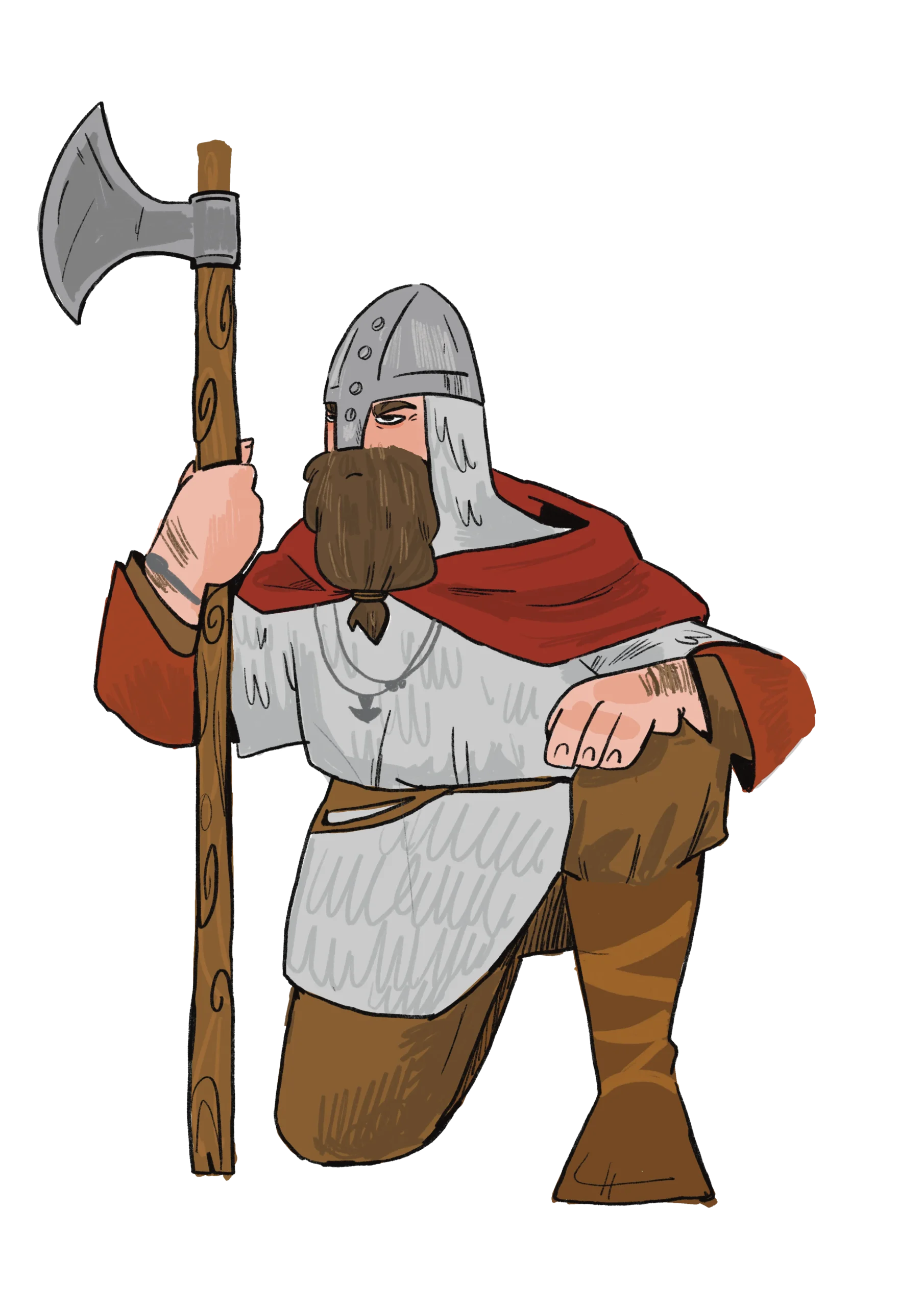
While the popular image of the Vikings often depicts them as brutish and barbaric, the reality is a little different.
Who were the Vikings?
The term ‘Viking’ commonly refers to the Scandinavian sea-borne raiders of the early medieval period, but this was not always the case. Even before the earliest Viking raids on monasteries, the Anglo-Saxons used the Old English word ‘wicing’, though not exclusively for Scandinavian raiders – they used it more broadly to mean ‘pirate’ or ‘piracy’.
It was not until the late 10th or early 11th century, in Anglo-Saxon poems like The Battle of Maldon, that ‘wicing’ came to specifically mean ‘a Scandinavian sea-raider’. Originally, these Vikings were not professional privateers or full-time soldiers, but rather fishermen and farmers who would only venture across the sea to raid, trade or settle new lands during the summer months when rallied by local leaders.
The Old Norse term ‘vikingr’ was used in Scandinavia, but its exact origins are uncertain. The most accepted explanation is that it originally referred to ‘a seaman from the Vik district of the Oslo fjord’, before evolving to mean a sea-borne warrior from across Scandinavia.